
Area
Regeneration in Birmingham
Birmingham's regeneration covers Druids Heath, Smithfield and nine Pride in Place neighbourhoods, with funding routes explained.
Research checked
The place
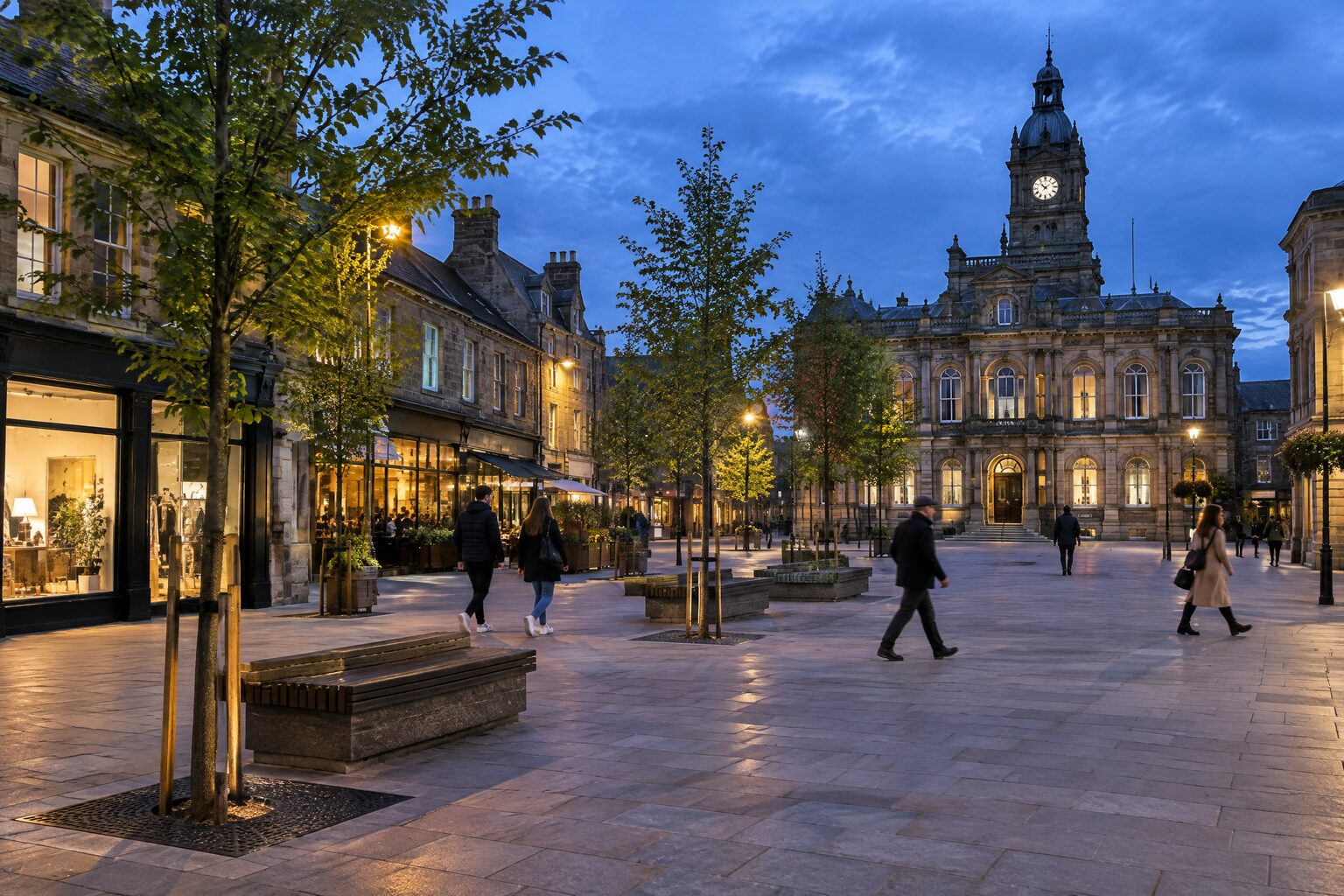
Birmingham's regeneration effort spans city-wide masterplans and estate renewal, from the 3,500-home, twenty-year rebuilding of the Druids Heath estate to the roughly 3,000-home Smithfield and Digbeth quarter, the redevelopment of the former Commonwealth Games Athletes' Village at Perry Barr and the Port Loop canalside scheme in Ladywood.
Who decides and delivers
Birmingham City Council is the local planning authority outside the Birmingham East Mayoral Development Corporation's boundary and the accountable body for the Pride in Place programme. Nine neighbourhood boards, including Druids Heath, Nechells and Sparkbrook North, set each area's vision under independent chairs, alongside the West Midlands Combined Authority's regional priorities and devolved housing funds. Development partner Lovell and registered providers Midland Heart, Platform, Bromford, Orbit, Sanctuary, Places for People and Vistry deliver homes across the city.
What each edition tracks
Each quarterly edition tracks funding decisions, delivery progress on the borough's masterplans and the nine Pride in Place neighbourhoods' plan deadlines. This edition is dated to 19 September 2026, the day its research was checked.


Current edition
Q3 2026
As at 19 September 2026
Funding, places and delivery. A briefing for the organisations bringing forward homes and regeneration across Birmingham, England's largest local authority by population. Research checked 19 September 2026.
Regeneration projects in Birmingham
Birmingham's largest live scheme is the multi-decade rebuilding of the Druids Heath estate, alongside the Smithfield and Digbeth masterplan around the former wholesale markets, where the Pressworks block was the first phase approved. The former Commonwealth Games Athletes' Village at Perry Barr is being completed as mixed-tenure housing, and the Port Loop canalside scheme in Ladywood is delivering homes on a former British Waterways site. Further out, the East Birmingham and North Solihull growth corridor sets a twenty-year vision linking these areas to HS2 Curzon Street.
Construction and housing funding in Birmingham
National grant decisions for Birmingham's housing schemes sit with Homes England and the National Housing Bank, which fund strategic partners including Midland Heart. Regional priorities and devolved housing and land funds run through the West Midlands Combined Authority, which co-sponsors the Birmingham East Mayoral Development Corporation over its planning and land-assembly boundary. The nine Pride in Place neighbourhoods each hold a ten-year regeneration allocation, and separate local investment calls, including the Levelling Up Fund and the UK Shared Prosperity Fund route, support individual sites.
Who decides regeneration in Birmingham
Birmingham City Council is the local planning authority outside the Mayoral Development Corporation's boundary and sets the city's housing strategy and Local Plan. Inside that boundary, the corporation holds planning and land-assembly powers. Nine independent-chaired neighbourhood boards decide each Pride in Place area's priorities, with council area leads acting as secretariat. Delivery partners under contract include Lovell, and registered providers such as Midland Heart build much of the new housing.
Questions about regeneration in Birmingham
- What regeneration is happening in Birmingham?
- Birmingham's regeneration includes the multi-decade rebuilding of the Druids Heath estate, the Smithfield and Digbeth masterplan around the former wholesale markets, the completion of mixed-tenure housing at the former Athletes' Village in Perry Barr, and the Port Loop canalside scheme in Ladywood.
- How is construction and housing funded in Birmingham?
- Funding reaches Birmingham's schemes through Homes England grants to strategic partners, West Midlands Combined Authority devolved housing and land funds, the nine Pride in Place neighbourhood allocations, and separate local investment calls such as the Levelling Up Fund and the UK Shared Prosperity Fund.
- Who leads regeneration in Birmingham?
- Birmingham City Council is the local planning authority and accountable body for Pride in Place, working alongside the West Midlands Combined Authority and, within its boundary, the Birmingham East Mayoral Development Corporation. Nine independent-chaired neighbourhood boards and delivery partners including Lovell and Midland Heart carry out individual schemes.
The Birmingham handbook
Planning and building-regulations guidance for the area, published separately.
Directory inclusion
Local suppliers can enquire about a listing in a future edition.